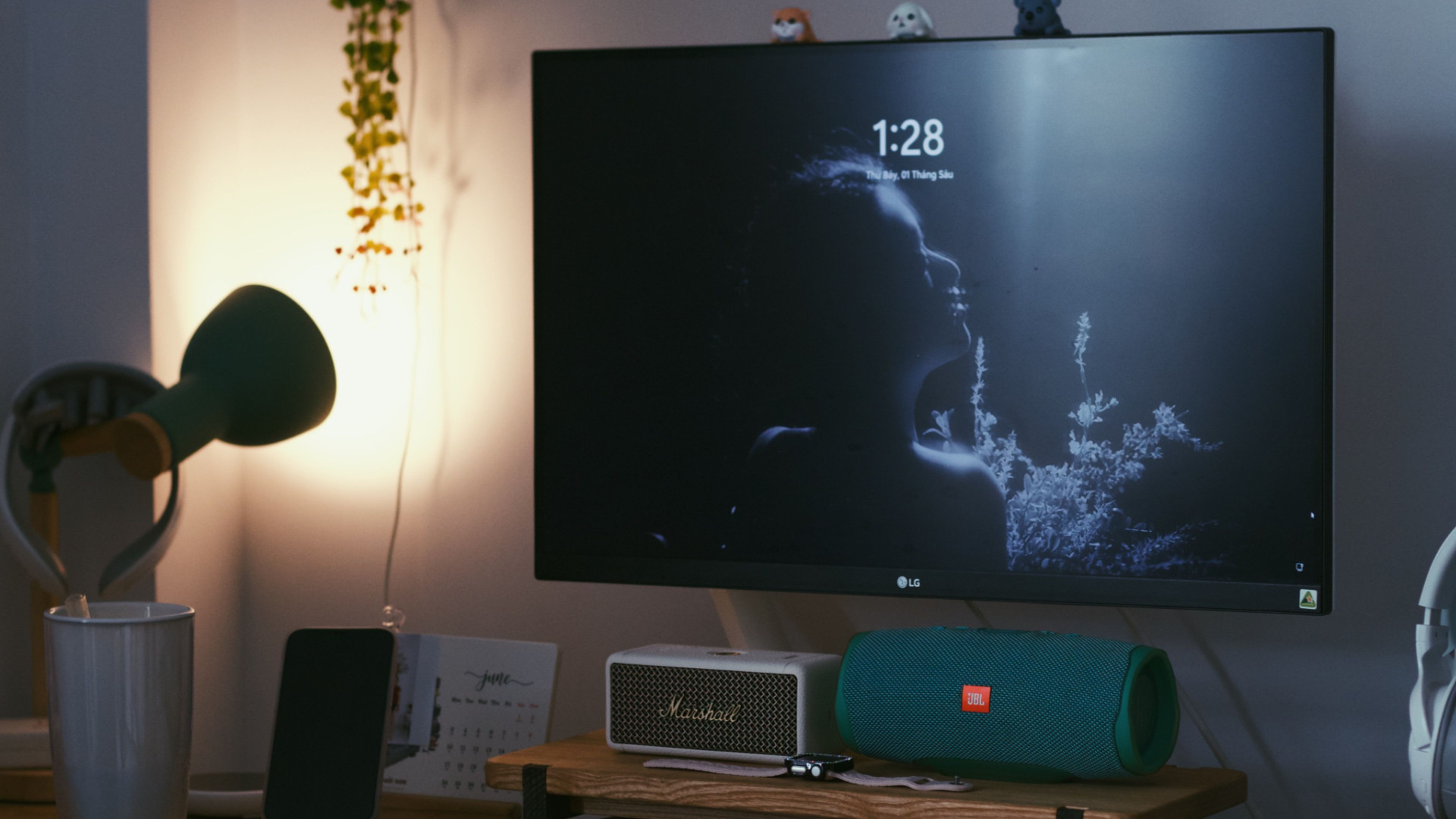
You can’t seem to trust anyone nowadays. Many times, in tech, you come across a manufacture that installs shit on user’s devices without their knowledge. Google Chrome has been caught automatically downloading a 4GB on-device AI model called Gemini Nano (stored as weights.bin) to eligible user computers without prior notification, explicit consent, or an easy way to opt out initially. Once they were discovered, they went with the “my bad” take and then made it optional. LG has been caught doing the same thing.
Last week, LG was discovered installing firmware that allowed them to push pop-up ads on people’s PC. This allowed users to get ads from McAfee Antivirus. Of course, the internet being the internet providing a lot of unhelpful comments like “use Linux” or “doesn’t happen to me”. But, then again, it is Twitter, which is a more mainline version of 4chan now.
It started with a post on Twitter:
LG caught installing Pop-Up Ads
The online outrage got so loud that Microsoft actually responded. Normally, they act like they don’t hear anything about it. “We’ve connected with the team at LG and as an immediate next step, they have agreed to disable the McAfee pop-up from their app,” Davuluri said in a post on Twitter. “We appreciate LG working with us toward a shared goal of a better experience for our mutual customers.”
It is interesting that they needed to install this ability within their updates. McAfee is bloatware installed on your Windows computer when you initially purchase it. Same with apps like Dropbox or Microsoft Office offering a free trial.
When I purchased my Asus laptop, I spent a good hour digging around and uninstalling all the bloatware. Now, there are still some that pop up (see what I did there) when Windows has an update. You could prevent automatic updates for your system, but they will sneak through. Even when Microsoft is looking.
Leave a Reply