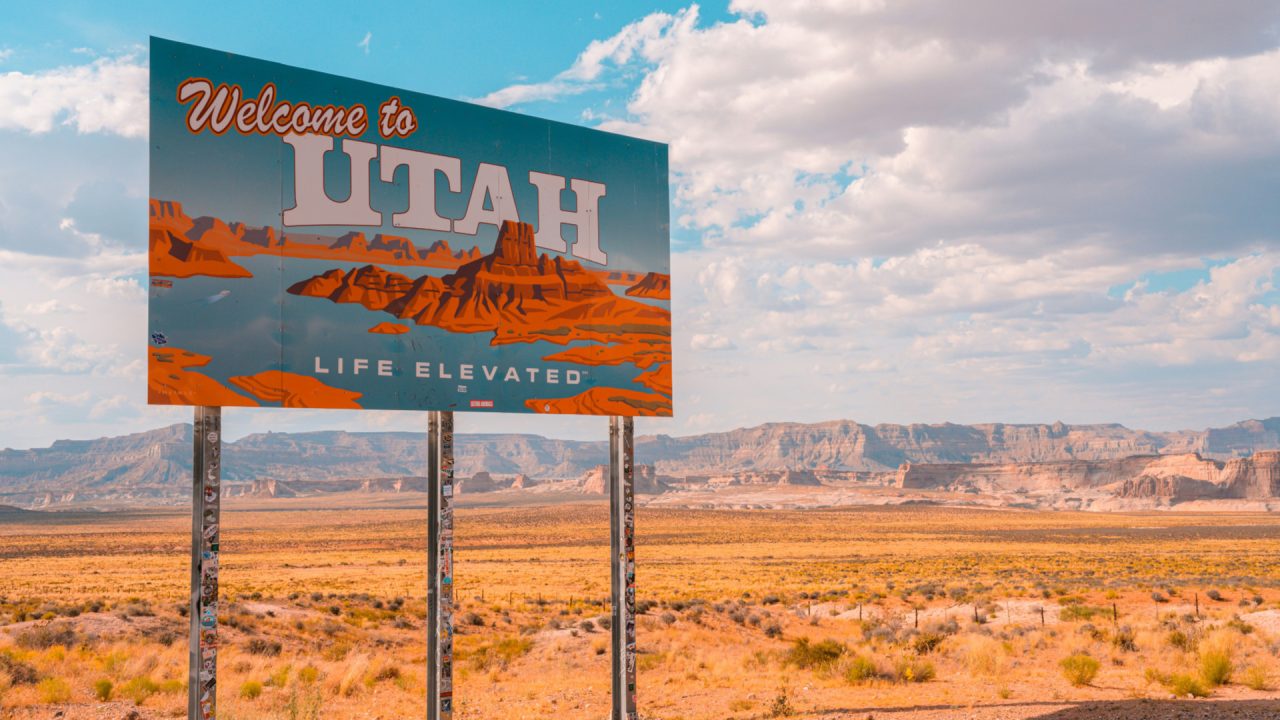
Back in May, we reported on a Utah VPN Law that was designed to essentially ban their use within the state. It was billed to go into use in the first week of May. Since then, Aylo, the company that owns Pornhub, challenged the law in federal court. Now, Utah has agreed, once again, to delay enforcement of the law while the court case plays out. It’s not clear how long that could take. At a hearing on Thursday, the judge in the case said “he could not commit to when he would issue a ruling,” Fox 13 News reported.
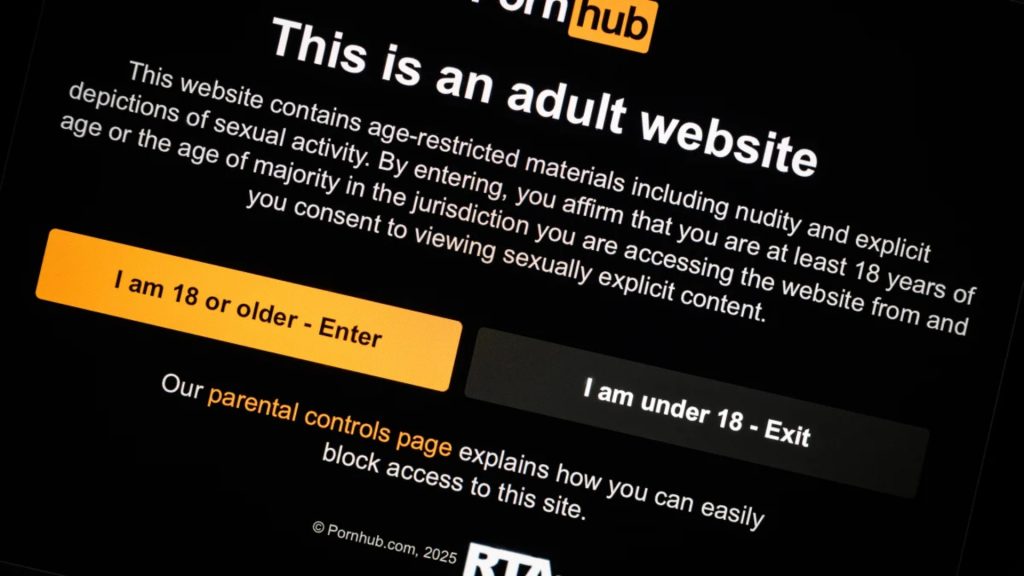
Utah Department of Commerce and Aylo entered into a joint stipulation. The agency would not enforce the new law pending Judge Barlow’s ruling or until after administrative rules setting the specific terms that adult sites would have to follow to comply with the law are hammered out. In exchange, Aylo agreed to keep its current “geofencing practices” in place (Pornhub and other sites have blocked Utah IP addresses as a political protest of the Utah State Legislature’s bills).
As I originally stated, this is a law that would attack VPNs. We have seen other countries that are doing the same. Once Australia was doing a similar ban, searches for VPNs skyrocketed. As someone who used to live in California, it was difficult to get used to what sites were and weren’t block in Arizona.
Utah VPN Law is an Attack on Privacy
There are many brain dead people that love this law. Always using kids as the reasoning for it. In a statement shared with TechRadar, NordVPN said reliably identifying and blocking Utah-based VPN users trying to bypass age verification would be “technically impossible” and creates a “liability trap” for affected businesses.
“The legal risk could push the site to either ban all known VPN IPs, or to mandate age verification for every visitor globally,” The Electronic Frontier Foundation said of the law. “This would subject millions of users to invasive identity checks or blocks to their VPN use, regardless of where they actually live.”

For those conservatives that believe this is awesome, you would have to give your personal information to big tech companies. Companies that you hate and don’t trust. They would have to house your information and if there is a data breach? All your information is out there.
“Again, this isn’t about protecting children,” as I wrote back in May. “This is about collecting information about the public at large. Many companies thrive on data collection and selling it to third-party companies. Remember when all American social media companies claimed TikTok was a threat. Since information went to a Chinese owned company. Yet, American companies did what they claimed Chinese companies did. Yet, no one knew who American social media companies were selling that information too.”
Leave a Reply