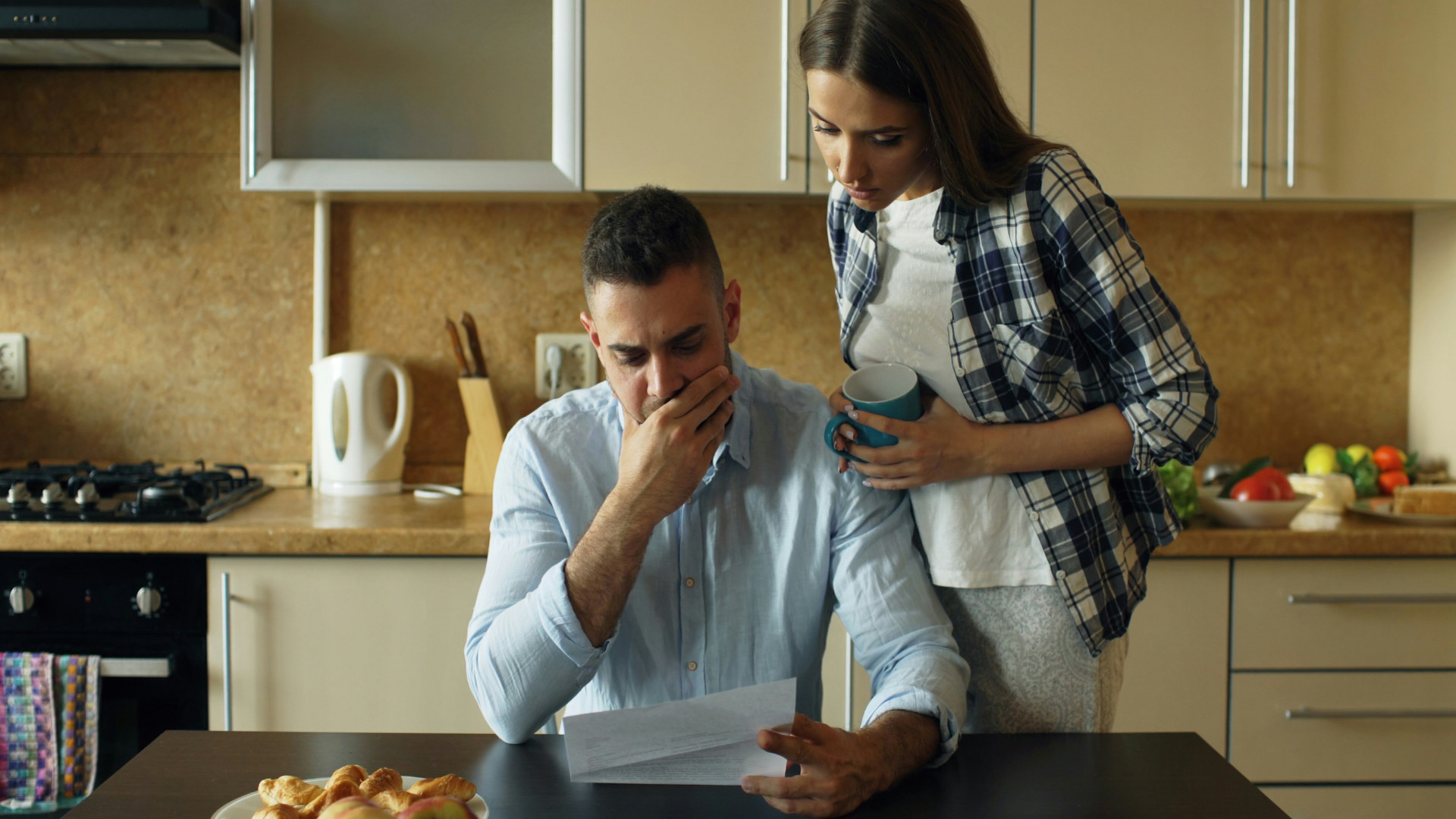
When I see comments online about people buried in debt, and someone says if you couldn’t afford it, you shouldn’t have bought it. To me, those are people that haven’t suffered enough or at all in this current economy. With job growth slowing, prices keep rising at the wimp of billionaires. Those billionaires that think they should get people to pay for their electricity used in data centers. Buy Now, Pay Later have been on the rise in recent years. Apparently, in a recent study, more people are using those options to pay for rent, utilities, and even car payments.
As someone who was on food stamps, I would notice in weekly advertisements for grocery stores small ads for Klarna. That indicated to me just how bad things are headed. Now, these options have been around for a long time. I used one when I used to buy DVDs online back in the early 2000s.
According to a recent survey by the loan marketplace LendingTree, BNPL-style lending from apps like Klarna and Afterpay are increasingly becoming the go-to for struggling households to pay for basic needs. Flagged by the New York Times, the survey found that half of those using BNPL loans said they’d have no way of making ends meet otherwise.
That’s an insane figure, given that US consumers spent close to $160 billion through BNPL loans in 2025. It was just a few years ago it was advertised as something to cover you until payday, if you needed something now. Need those shoes, but you have a week until payday? Use Klarna. Just need to get that dinner, but rent took you down? Use that app and pay it back on payday.
Buy Now, Pay Later is a Lifeline for Middle Class
As Karen Webster, chief executive of news and market research company Pymnts, told NYT that BNPL has become the “working capital for the modern middle class.”
“Consumers are using it more for essential, everyday things,” Webster explained. This includes services like veterinary, dental, and medical care, as well as recurring expenses like rent and utility bills.
“It’s a roller-coaster ride, up and down — I can’t afford to have an emergency,” Ashley Reed told the paper. “Sometimes I’m like, OK, am I going to have enough for groceries?” She maxxed out her credit cards for a medical emergency. Using Klarna and others, she is paying $700 a month to pay down the biggest of debts.
BNPL loans “address the real need that people are short of funds,” Lauren Sanders, an attorney at the National Consumer Law Center told the NYT, “but just adding fees to their monthly budget and leaving them short next week is not the answer.”
It is true that most Americans are one paycheck away from being broke. If they lost their jobs today, many wouldn’t have the savings to cover them for the next week, much less the next month. Our local leaders don’t see any solution because it would impact their donations. The donations they receive from the ones causing this.
Leave a Reply