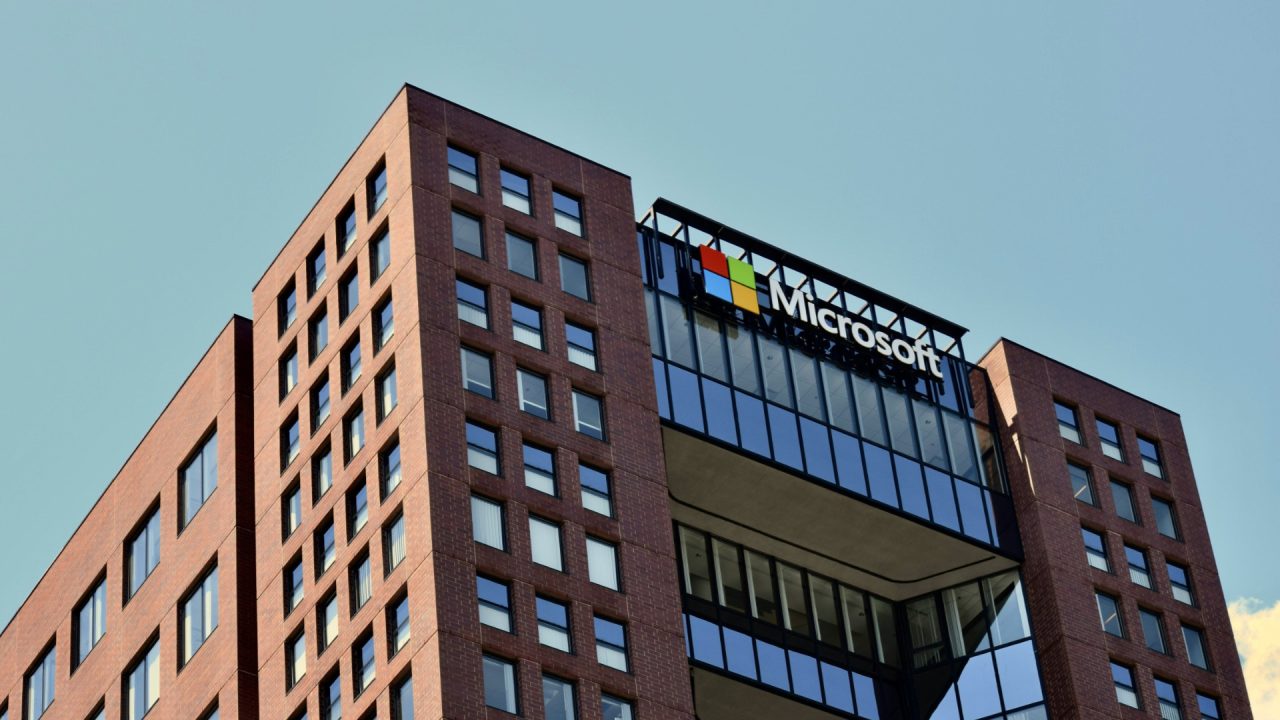
At the beginning of the year, Microsoft wanted to help build the communities surrounding their data centers. Since that time, public opinion has turned on many AI companies. In communities where data centers are being built, Microsoft doesn’t seem to be interested in their Microsoft Data Center “good neighbor” policy.
As Ars Technica reported, a group We Make Indiana — a coalition of 25 various interfaith groups, law enforcement associations, mental health organizations, and other non-profits — quickly ran up against the limits of Microsoft’s altruism. Especially after the organization approached them about “investing” in the community.
We Make Indiana is based out of South Bend. Over 20 percent of its residents live below the federal poverty line. That means $15,960 in annual income for individuals and $33,000 for families. Many of their government programs go underfunded. Programs like community health care, public child and elder care, affordable housing, and efficient public transportation are all crucial lifelines for this population. We Make Indiana assumed they would slip them a few duckets, given the 900-acre hyperscale data center the company was erecting nearby.
The “liaisons” were sent to towns to “help” the communities out. We Make Indiana approached the company’s local representatives to ask for tiny share of the revenue. Just a one percent cut could provide $30 to $40 million a year to local programs. As you expected, the liaisons ignored the proposal, and have ghosted them since.
Microsoft Data Center Isn’t a Good Neighbor
The group later found out it wasn’t to be. That the “liaisons” are only authorized to make one-time donations from a total allotment of $1 million. Then it’s only to non-profits, not to government programs or public-private agencies.
Given that the state allowed tech giants like Amazon, Google and Microsoft to qualify for tax breaks. Anywhere from $2.2 billion to $13.2 billion in data center equipment purchases, according to a state tax incentive report. These are funds that could, over time, help the state offset a $2 billion state budget crunch. Which led to large cuts to social services earlier this year.
Given the image that data centers, and Microsoft, have currently, sparing some change could go along way to help bettering it. With constant speculation that we could be coming to the end of the AI bubble, that money could evaporate rather quickly.
Leave a Reply